
Thermal energy
Thermal energy or heat is one of the basic forms of energy found in nature such as potential, kinetic, electrical, chemical, and others, which describes the energy that moves from a warmer body to a cooler one. The subjective feeling of heat is obtained by touching bodies that have a temperature higher (warm) or lower (cold) than the temperature of the human body.
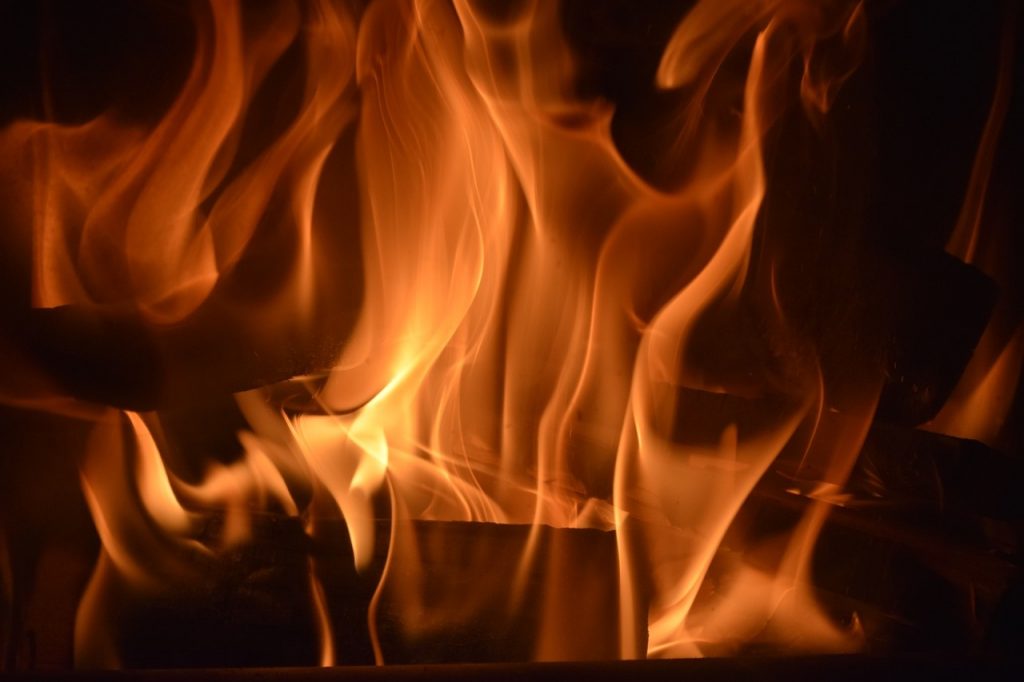
Thermal energy or heat is one of the basic forms of energy found in nature such as potential, kinetic, electrical, chemical, and others, which describes the energy that moves from a warmer body to a cooler one. The subjective feeling of heat is obtained by touching bodies that have a temperature higher (warm) or lower (cold) than the temperature of the human body.
If we put our hand in a pot of hot water and hold it for a few seconds, then put it in a pot of hot water, it will seem to us that the water is cold. If we put our hand in cold water and hold it for a few seconds, then immerse it in that warm water, we will feel as if we put it in hot water. From there we see that the human senses are not competent to judge the state of body temperature.
The molecules in the bodies do not rest, but are in constant motion, whose velocity may be greater or less. Heat, therefore, is the kinetic energy of molecular motion. The more heated the body, the molecules move faster and have increasing kinetic energy. Because of this, the molecules are separated from each other so that the solid body can be transformed into a liquid state and heated to a gaseous state by heating.
The degree of this molecular motion is indicated by temperature. Temperature is, therefore, the degree of thermal state of the body and depends on the aggregate state of the body.
We measure the amount of heat just like any energy in joules (J). It is defined as the work done (energy expended) by the action of a force of one Newt on a one meter long path. Correlated to thermal energy, this would be the amount of heat required to heat 0.23892 grams of water, at a normal air pressure of 1 atmosphere, from 14.5 ° C to 15.5 ° C.
It will take less time to heat 1 pound of iron than to heat 1 pound of brick. This means that different substances require different amounts of heat to heat 1 kilogram of the substance by 1 ° C. The amount of heat in J that is required to heat 1 kg of a substance by 1 ° C is called specific heat or specific heat capacity, and is denoted by a lowercase letter.